Researchers at the University of Maryland and partner universities developed DissolvPCB, a circuit board made with water-soluble plastic and liquid metal that can be dissolved after use, allowing its materials and electronic components to be recovered and reused. The project recovered more than 98% of its materials in testing and earned an honorable mention in Fast Company’s 2026 Innovation by Design Awards for its potential to reduce electronic waste and prototyping costs

https://www.cs.umd.edu/article/2026/09/dissolvable-circuit-board-designed-reuse-earns-design-recognition

www.cs.umd.edu

Dissolvable Circuit Board Designed for Reuse Earns Design Recognition

Before an electronic device reaches its final form, engineers may build and test multiple versions of its circuit board.
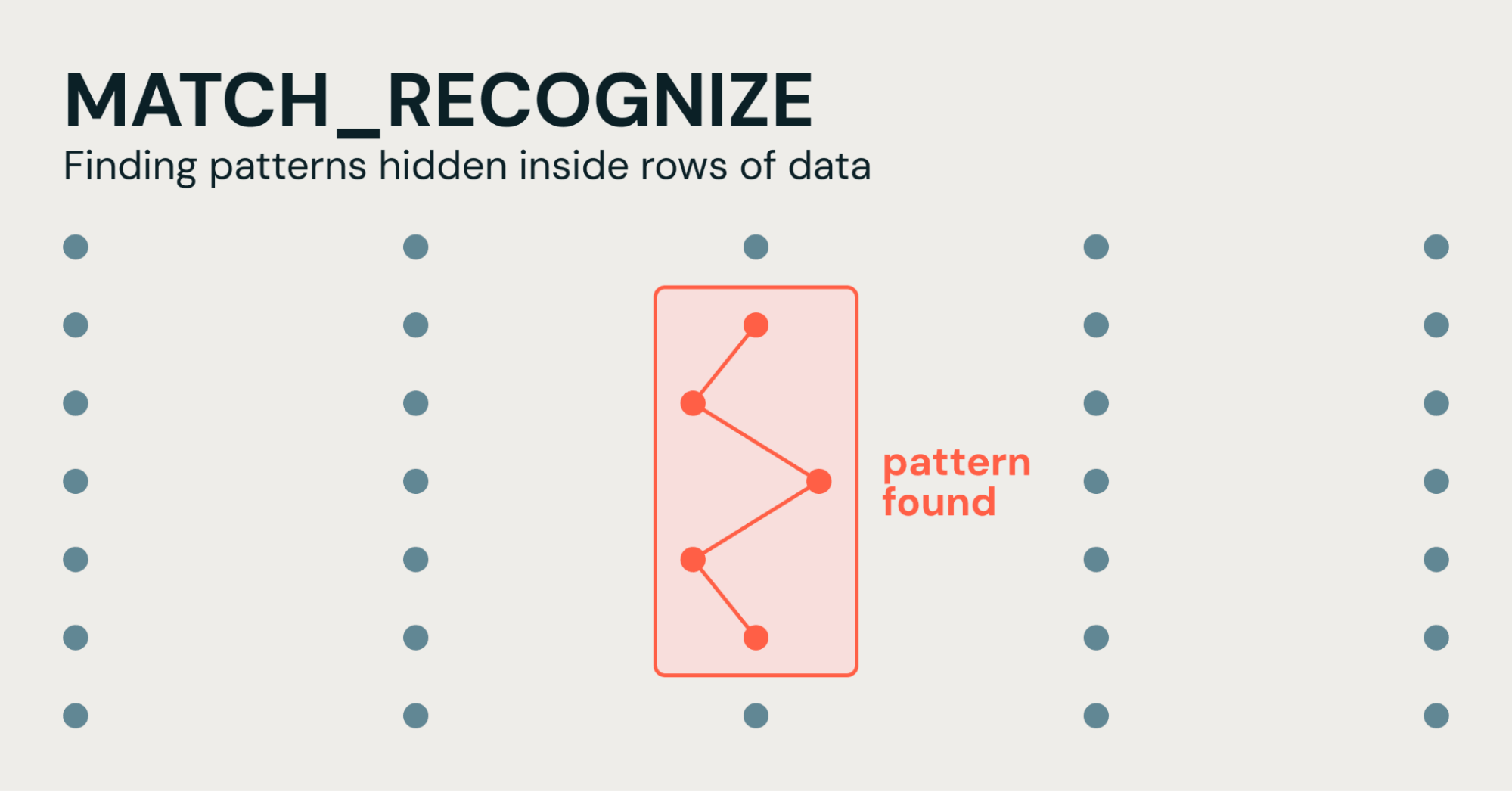
The goal is to identify ecommerce users who show strong purchase intent but ultimately do not complete a purchase. A high-value failed conversion pattern includes users who view a product at least twice, add it to their cart, and then become inactive for a defined period. This group can help product managers target reminder campaigns, estimate how much revenue might be recovered, and identify potential issues such as products being priced too high. Because there is no explicit “abandoned” event, abandonment must be inferred from the absence of activity after the cart addition and a sufficient idle period. Traditional #SQL requires techniques such as NOT EXISTS, self-joins, and window functions to establish that no later activity occurred. MATCH_RECOGNIZE simplifies this by using the end-of-partition anchor $ to ensure the cart addition is the final event, combined with a time filter to define the abandonment timeout.


SELECT *
FROM (
    SELECT *
    FROM web_clickstream
    MATCH_RECOGNIZE (
        PARTITION BY session_id
        ORDER BY event_time
        MEASURES
            FIRST(VIEW.event_time) AS journey_start,
            COUNT(VIEW.*)          AS total_product_views,
            ADD_TO_CART.event_time AS last_activity_time
        ONE ROW PER MATCH
        AFTER MATCH SKIP PAST LAST ROW
        PATTERN (VIEW{2,} ADD_TO_CART $)
        DEFINE
            VIEW        AS event_type = 'VIEW_PRODUCT',
            ADD_TO_CART AS event_type = 'ADD_TO_CART' AND cart_item_count > 0
    )
)
WHERE last_activity_time < current_timestamp() - INTERVAL 30 MINUTES;
https://www.databricks.com/blog/regex-rows-simplifying-pattern-detection-sql-matchrecognize

Open Graph Image
www.databricks.com

Simplifying Pattern Detection with MATCH_RECOGNIZE | Databricks Blog

Databricks solves complex sequence detection with MATCH_RECOGNIZE, bringing regex-style pattern matching to relational data, without self-joins or chained CTEs.

The human brain performs complex tasks using only about 20 watts, inspiring neuromorphic computing, which mimics the brain’s energy-efficient, event-driven processing by combining memory and computation more closely. These systems could reduce energy use, improve real-time processing, and keep sensitive data on devices, but they are likely to complement rather than replace conventional CPUs and GPUs.

https://www.ucl.ac.uk/news/2026/sep/analysis-your-brain-runs-20-watts-could-brain-inspired-computing-do-same

www.ucl.ac.uk

www.ucl.ac.uk

The University of Edinburgh redesigned an essay assessment to require students to use generative AI and submit a separate report documenting their prompts, edits, fact-checking, and learning. The approach made AI use more transparent and encouraged responsible verification, but it also showed the need for clearer guidance and a better balance between assessing students’ writing skills and their AI literacy.

https://blogs.ed.ac.uk/teaching-matters/making-genai-use-visible-what-we-learned-from-redesigning-an-essay-assessment/

blogs.ed.ac.uk

Making GenAI use visible: What we learned from redesigning an essay assessment – Teaching Matters

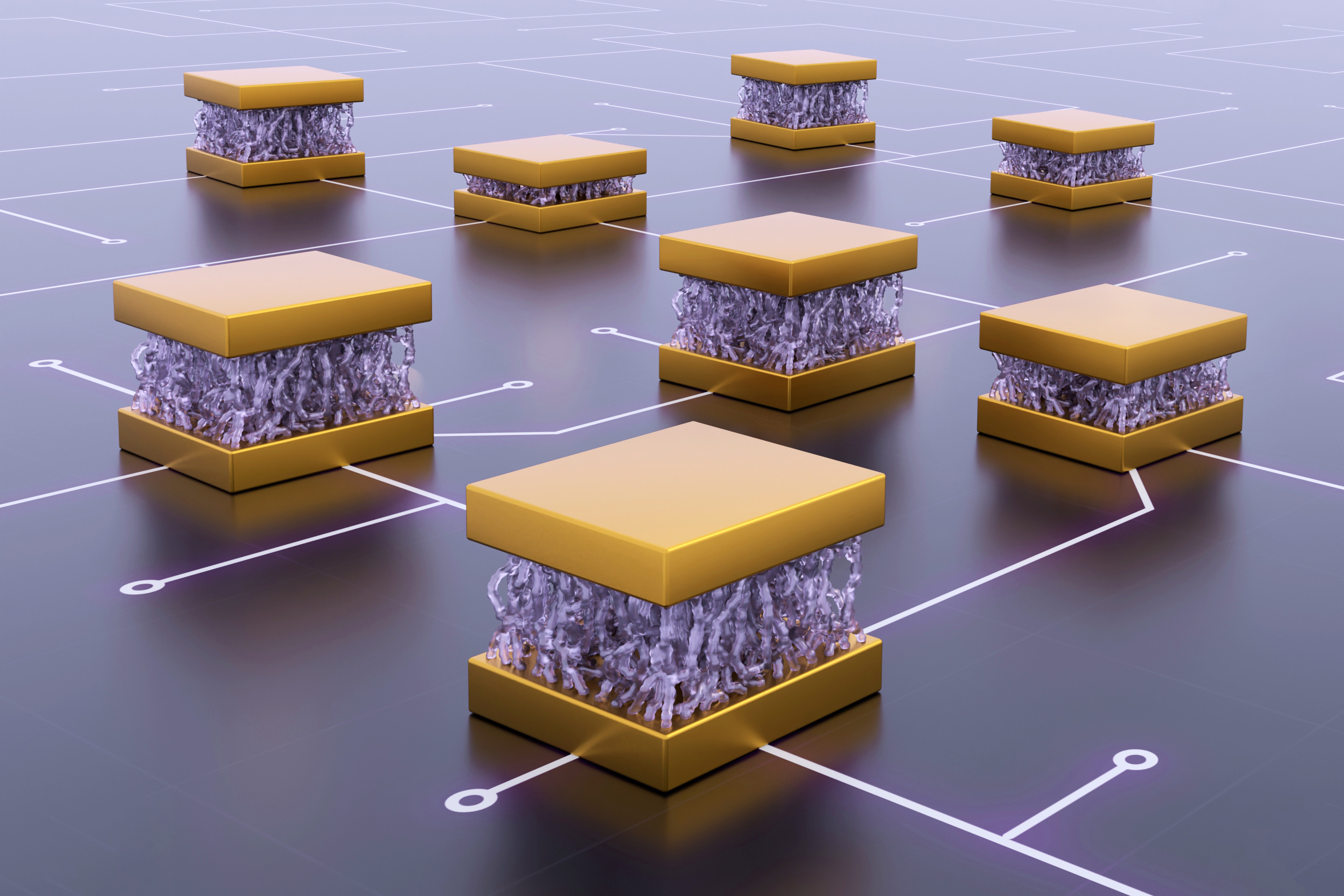
MIT researchers developed nanoscale mechanical devices that mimic how neurons store and process information, using a soft polymer to create reversible motion and “firing” behavior. By combining computing and memory in a single tiny, energy-efficient device, the technology could enable low-power applications such as wearable health monitors, smart prosthetics, and adaptive robots.

https://news.mit.edu/2026/nanoscale-mechanics-could-enable-brain-inspired-computing-0916

Open Graph Image
news.mit.edu

Nanoscale mechanics could enable brain-inspired computing

MIT researchers created a computing platform that leverages the unique properties of squishy materials at the nanoscale to develop tiny devices that can process information, inspired by how the brain works. This could enable edge devices like biological or environmental sensors that are more adaptable and energy-efficient than traditional electronics.